Scabies
Skabb - engelskaIf you are very itchy all over your body, you might have scabies. Scabies mites are small parasites that live in the skin. Scabies is spread through direct skin-to-skin contact. Contact your healthcare centre if you think you have scabies.
What is scabies?
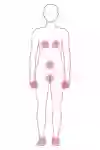
Scabies are mites that live in the outer layers of the skin. They are less than half a millimetre in size. Scabies burrow under the skin and lay eggs. Most people who have scabies have no more than ten scabies mites on their bodies.
Anyone can get scabies. It doesn't depend on how clean you are.
People get a different type of scabies to cats and dogs.
How is scabies spread?
Scabies is spread by body contact, skin-to-skin. You can get scabies if you have contact with another person's skin for several minutes. You can get infected by sleeping in the same bed. You cannot get infected by shaking hands or hugging someone.
It takes three to ten weeks from when you get scabies until it starts to itch. You can infect other people before it starts to itch. You are no longer contagious after you have been treated for scabies.
How does scabies look and feel?
Scabies causes an allergic reaction. That's why it can itch a lot in different parts of the body. It doesn't just itch in places with scabies mites. It often itches most in the evening and at night.
It's very difficult to see scabies mites. Sometimes you can see their burrows. The burrows look like light-coloured lines. They are often on the hands and feet.
This is what you usually see on your skin if you have scabies:
- A rash and red bumps.
- Scratch marks and sores where you have been itching.
- Small blisters near the burrows.
When and where should I seek medical care?
You need to be examined by a doctor to find out if you have scabies. Make an appointment at your healthcare centre if you think you have scabies.
Also contact a healthcare centre (vårdcentral) if you have been treated for scabies but any of the following apply:
- The itching continues for several weeks after treatment.
- The itching starts again several weeks after treatment.
If you have had close contact with someone who has scabies, you should treat yourself immediately.
Call the telephone number 1177 if you want help with what to do. The people who answer are nurses. They speak Swedish and English. Sometimes you can get help in other languages. They can also help you with where to seek care, if necessary.
How do I treat scabies?
You treat yourself with a lotion that you can buy without a prescription. Ask at the pharmacy. You may need prescription medicine if you are allergic to the lotion.
This is how you treat yourself
If you have symptoms, you should treat yourself twice.
Rub the lotion over your entire body except your head. The lotion must remain on the skin for 24 hours. Read the patient information leaflet for the medicine carefully or ask at the pharmacy.
Stay at home during treatment. After 24 hours, you are free of infection.
Treat everyone at the same time
If you live together with others, everyone should be treated at the same time. Otherwise, there is a risk of getting infected again.
Wash your clothes and sheets
It is important to wash all clothes, sheets and towels that you have used in 60-degree water. Shoes should be left outdoors for three days in order to kill the mites.
It may itch after treatment
It may take a few weeks before the itching stops completely. You can apply a cortisone cream to reduce the itching. You can buy the cream at a pharmacy without a prescription.
Do not treat yourself for scabies several times without talking to a doctor. The lotion can make the skin dry and more itchy.